
 (314) 808-1744
How to Pack Artwork for Moving
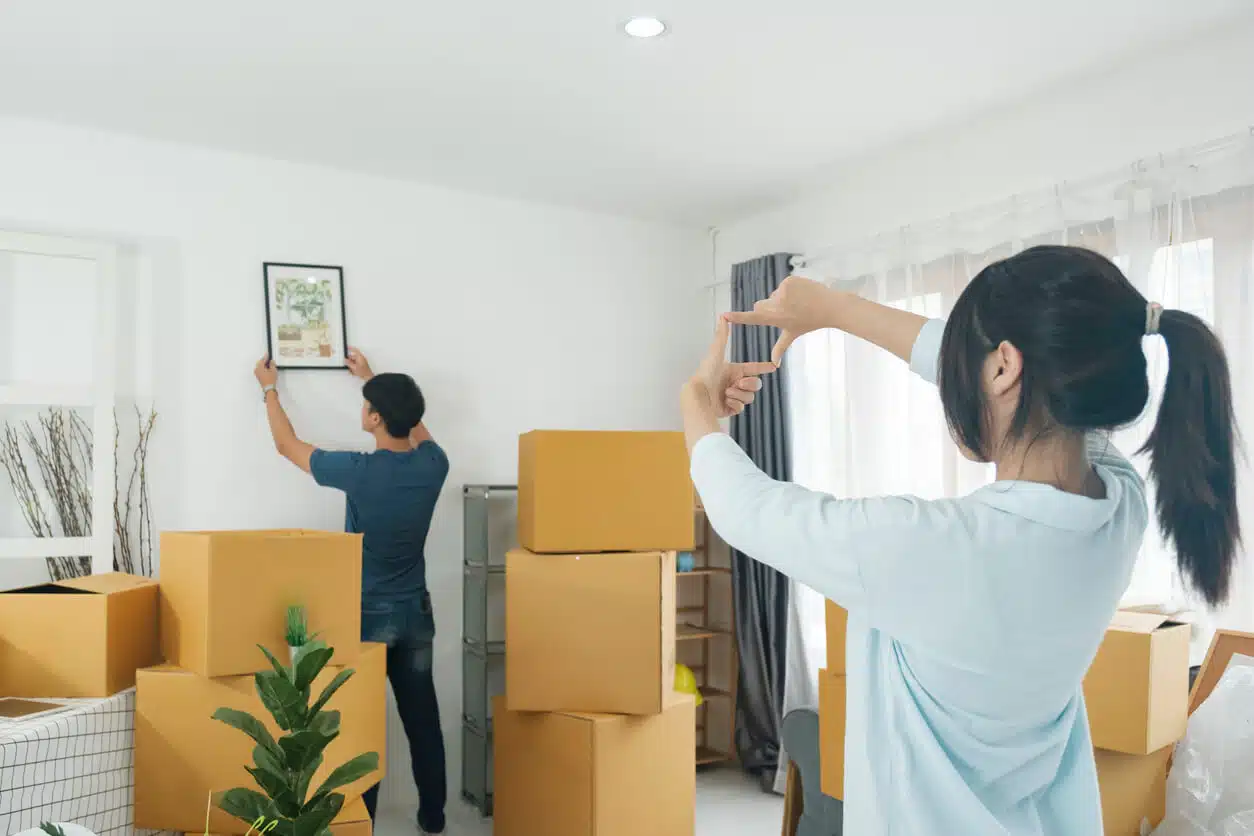
Owning exceptional artwork can be an expensive passion, so it is critically important that it is handled with utmost care. The risk of damage increases more when transporting artwork to a different location. One wrong move, a sudden bump in the truck, or a poorly packed box can pose a danger to the artwork.
In this article, you’ll learn step-by-step methods on how to pack large artwork for moving, as well as the smaller ones. We’ll also walk through the materials you actually need (and what to skip) and how to handle different types of artwork. Then, we’ll discover why it’s more ideal to hire experienced movers who can make the process easier and safer.
Practical Steps to Packing an Artwork for Relocation
Before diving into the specific packing techniques, gather the necessary materials and set up a safe workspace. These simple preparations can make the packing process smoother and help ensure it arrives at your new place without damage.
Below are 10 steps to pack your artwork:
1. Gather the Right Supplies
Start with sturdy cardboard boxes (or artwork/mirror boxes), packing paper, bubble wrap, painter’s tape, corner protectors, and a marker. Avoid newspapers because the ink can transfer to your artwork. Having everything ready before you start keeps the process organized and reduces the chance of rushing or skipping protection.
2. Create a Clean, Open Workspace
Lay a soft blanket or clean moving pad on a flat surface to prevent scratches while you pack. Make sure the area is dry and free of food, drinks, or any other items that could potentially spill on your artwork. Having enough room to move around the piece helps you wrap it securely without bumping into furniture or walls.
3. Inspect and Clean the Artwork
Inspect frames, glass, and canvases for existing damage to determine their condition before the move. Gently dust the frame and glass with a soft cloth; avoid using cleaners directly on the artwork. This prevents loose dirt or grit from scratching the surface when wrapped.
4. Protect Glass and Surfaces
If your artwork has glass, place painter’s tape across the glass in a crisscross “X” pattern to help hold it together if it breaks. Then cover the glass with a layer of packing paper or clean cardboard cut to size. For canvases or unframed pieces, avoid placing tape directly on the artwork and protect the surface with paper or glassine instead.
5. Wrap the Artwork Securely
Wrap the entire piece in several layers of packing paper first to create a soft barrier. After that, add a layer or two of bubble wrap with the bubbles facing outward to reduce pressure marks, and secure it with tape around the wrapping, not on the frame or canvas. Make sure all corners and edges are fully covered, as they are the most vulnerable areas.
6. Add Corner Protectors
Use foam or cardboard corner protectors on framed pieces to shield them from dings and impacts. You can buy ready-made ones or fold them from cardboard yourself. Secure them over the wrapping so they do not rub directly on the frame’s finish.
7. Box the Artwork Properly
Choose a box that closely matches the size of your wrapped artwork so it cannot shift around. If there is extra space, fill it with crumpled packing paper or foam so the piece is snug but not under pressure. For large or high-value items, consider specialty artwork or mirror boxes that offer better structural support.
8. Label Clearly and Accurately
Mark each box with “FRAGILE,” “ARTWORK,” and “THIS SIDE UP” so movers know to handle it with extra care. If the piece is sensitive to temperature or moisture, note that as well. Clear labeling reduces the risk of boxes being stacked improperly or treated like regular household items.
9. Load and Transport With Care
Place artwork boxes upright in the moving truck, not flat, and avoid stacking heavy items on top of them. Wedge them between sturdy furniture or use straps to keep them from sliding. Keeping them secure during transit is just as important as how you wrap them.
10. Unpack Thoughtfully at Your Destination
Open artwork boxes in a clean, stable area away from foot traffic. Remove wrapping slowly so you do not accidentally scratch the surface or catch a corner. Let pieces sit and acclimate before hanging, especially if there is a big change in temperature or humidity.
Different Artwork Packing Materials to Have and What to Avoid
Choosing the right packing materials is just as important as the packing process when protecting your artwork. Let’s explore the essential supplies you’ll need, and which ones you should avoid:
Packing Materials to Have
Packing Materials to Avoid
How to Safely Pack Specific Types of Artwork
Different types of artwork require specific packing techniques to ensure their safety during a move. Below are specific ways on how to properly protect each kind, from framed pieces to delicate sculptures:
Framed Artwork With Glass
Place painter’s tape in an “X” across the glass, then cover the front with a piece of cardboard or foam cut to size. Wrap the frame in packing paper, then bubble wrap, paying extra attention to the corners with protectors. Pack upright in a snug box and fill any gaps with paper to prevent shifting.
Unframed Canvas Paintings
Cover the painted surface with glassine or archival paper to prevent sticking or smudging. Wrap the entire canvas in several layers of packing paper, followed by a layer of bubble wrap, with the bubbles facing outward. Use a custom or telescoping box slightly larger than the canvas and pad all sides.
Oil Paintings (Still Tacky or Textured)
Never let plastic or bubble wrap touch the paint surface, as it can stick or imprint. Use glassine or archival paper as a protective layer, then build a “sandwich” with cardboard sheets on both sides before wrapping the whole piece in bubble wrap. Pack in a sturdy box with minimal movement.
Paper Prints, Posters, and Photographs
If possible, keep them flat by placing them between two rigid boards that are slightly larger than the artwork and securing the edges with painter’s tape (on the boards, not the artwork). Wrap the bundle in packing paper, then wrap it in bubble wrap for added protection. For rolled posters, use a wide-diameter tube, wrap in tissue or glassine, and avoid rolling too tightly.
Mirrors and Glass-Fronted Pieces
Apply painter’s tape in a grid or “X” pattern across the glass, then cover with a layer of cardboard or foam. Wrap generously in packing paper and bubble wrap, ensuring the corners are well-protected. Pack upright in a mirror/art box and cushion all sides with paper or foam.
Sculptures and Figurines
Wrap delicate, protruding parts (such as arms, legs, or thin sections) individually with soft packing paper first. Then wrap the entire sculpture in bubble wrap, building up several layers for cushioning. Place it in a box with plenty of padding on all sides, including the bottom and top, so it is suspended and cannot move.
Ceramics and Glass Objects
Individually wrap each piece with packing paper, then a second layer of bubble wrap for shock absorption. Pay special attention to handles, stems, or thin areas by adding extra layers to reinforce them. Place them in a box with dividers or ample padding, keeping pieces from touching each other.
Textile Art (Tapestries, Fabric Pieces, Quilts)
Make sure textiles are clean and dry, then roll them (not fold) around an acid-free tube when possible to prevent creases. Wrap the rolled piece in acid-free paper or a clean cotton sheet. Place it in a long box and pad around it to prevent shifting.
Mixed Media or Highly Fragile Pieces
Identify the most delicate elements (e.g., attached objects, layered materials) and pad those areas first with soft paper. Wrap the entire piece in glassine or packing paper, followed by bubble wrap, without putting direct pressure on fragile parts. Consider a custom crate or double-boxing, with the inner box suspended inside a larger one using padding.
Why You Should Highly Consider Hiring Professional Movers
Even with careful packing, moving precious artwork on your own can still feel risky and overwhelming. Hiring professional movers can provide you with extra protection, peace of mind, and a smoother experience throughout the entire process.
Here are several benefits you can gain from hiring a moving company that offers specialty moving services:
Experience Safe and Dependable Artwork Moving—Contact Modern Moving Solutions Today!
When your artwork is too valuable to risk, trust Modern Moving Solutions to move it with the precision and care it deserves. Our experienced team knows how to pack framed artwork for moving and other kinds of specialty items. We use the right materials and techniques to carefully pack, load, and secure each piece. Backed by an A rating from the Better Business Bureau (BBB), we are ready to handle your artwork relocation.
Contact our team at your convenience to begin creating a detailed plan for packing and relocating your artwork safely and effectively.